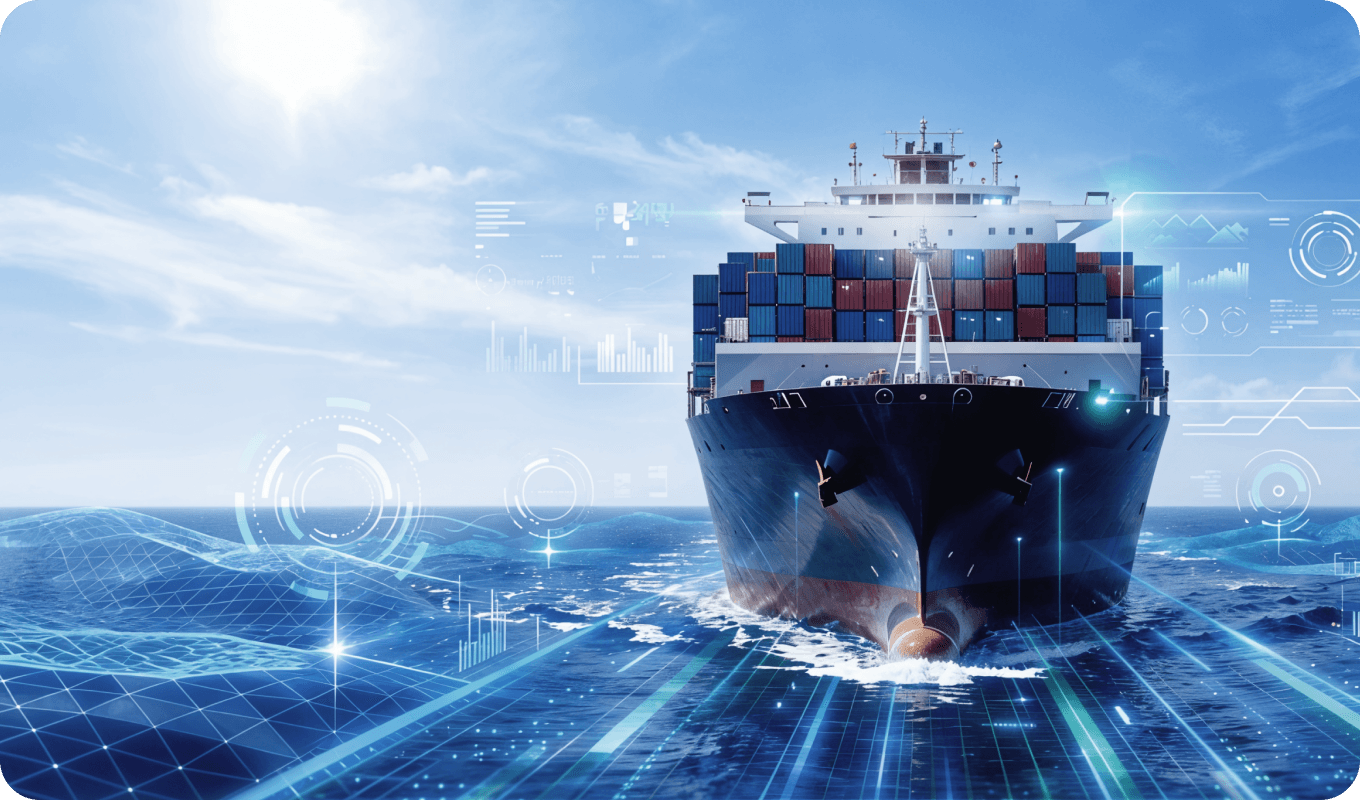
Modern vessels often rely on separate hardware platforms for navigation, automation, monitoring, and safety, creating fragmented infrastructure, complex maintenance, and limited system-wide visibility. IEI transforms these isolated systems into a unified maritime architecture that consolidates workloads, centralizes system supervision, and supports coordinated redundancy and recovery—helping operators simplify deployment, improve service continuity, and manage critical shipboard operations more efficiently.
01
Separate platforms increase integration complexity across critical shipboard operations.
02
Vibration, humidity, salt mist, and unstable power threaten system reliability.
03
Isolated systems prevent centralized monitoring of hardware, workloads, and system health.
04
Manual failover and restoration extend interruptions when critical systems fail.
01
Fanless construction, industrial storage, secured components, and rugged mechanical design help improve reliability.
02
Compact shipboard cabinets and engine-room hot spots require efficient thermal design and careful placement.
03
Salt mist, moisture, and dust increase the need for suitable materials, enclosure design, and protected interfaces.
04
Wide-range DC input, isolated I/O, and system-level protection help address voltage variation and grounding challenges.
CONSOLIDATE
Run multiple workloads on fewer resilient systems while maintaining application isolation and operational flexibility.
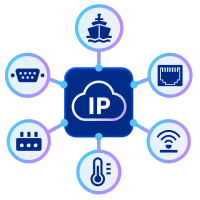
CONNECT
Bring NMEA 0183, serial, DIO, Ethernet, sensors, and shipboard devices into an IP-based computing environment.
OPERATE
Deliver reliable operator interfaces for ECDIS, radar, automation, monitoring, and vessel control.
RECOVER
Detect faults, coordinate standby resources, and accelerate remote troubleshooting and system recovery.
ENDURE
Support reliable operation under vibration, heat, humidity, salt mist, and unstable power conditions with rugged, marine-ready hardware.
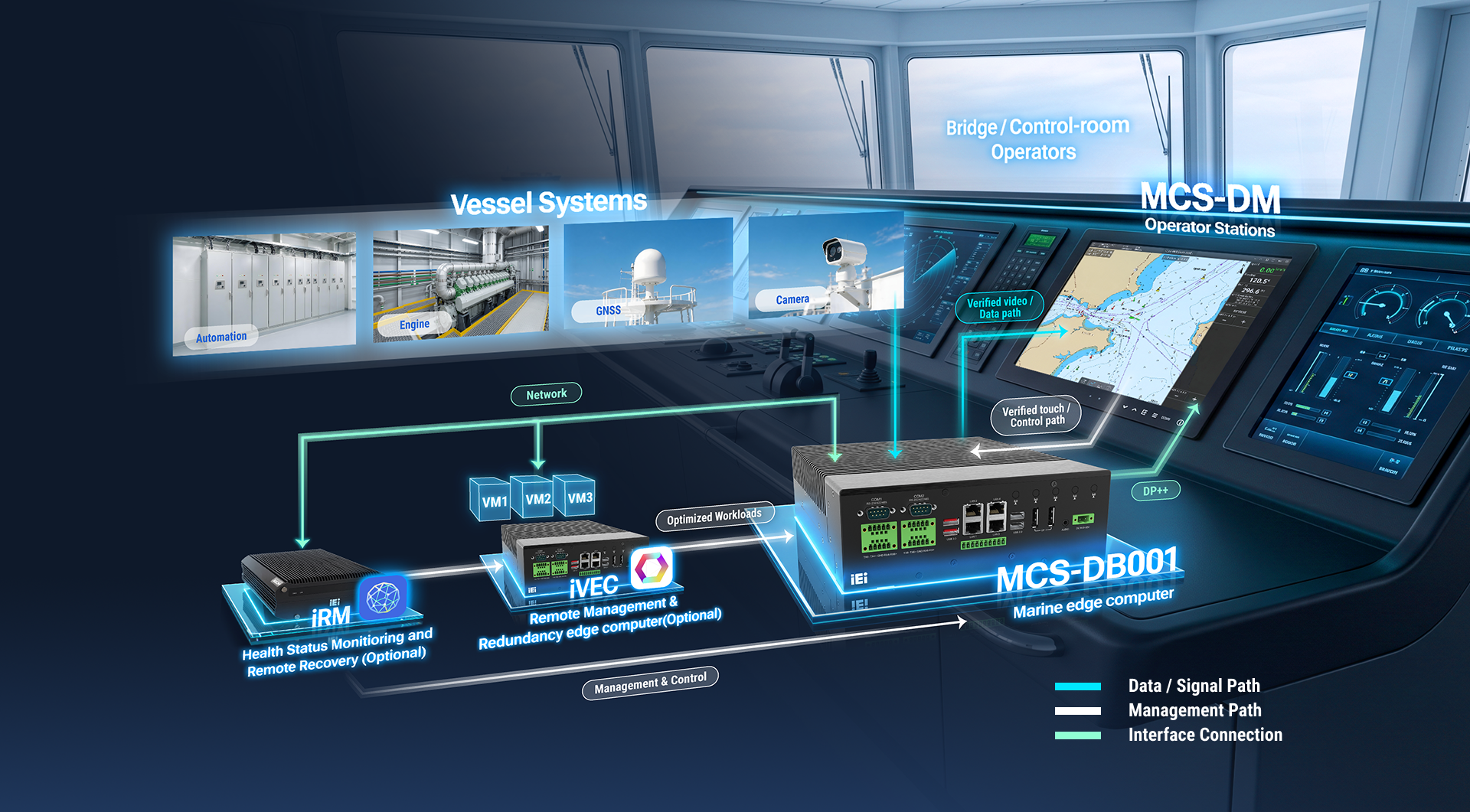
Start with the core marine computing platform, then add virtualization, management, and display capabilities according to system requirements.
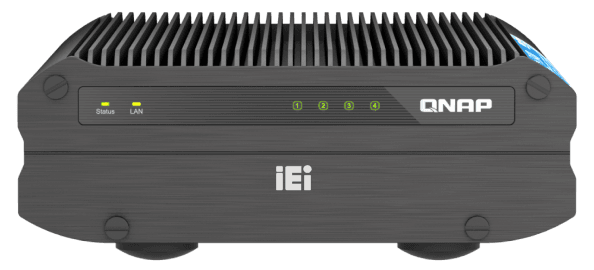
MCS-DB001
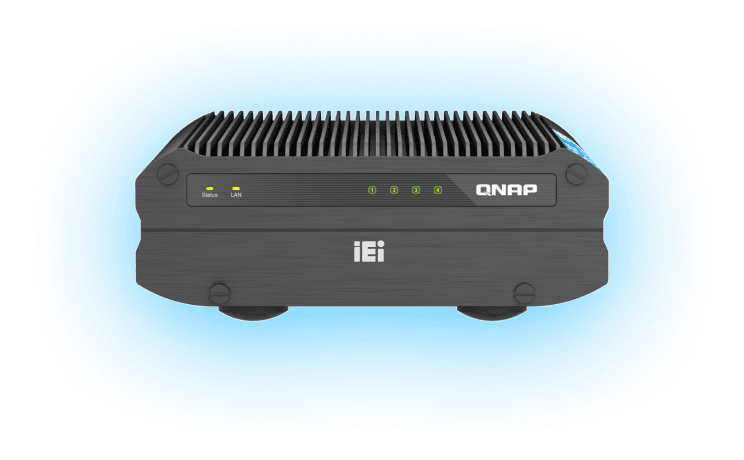
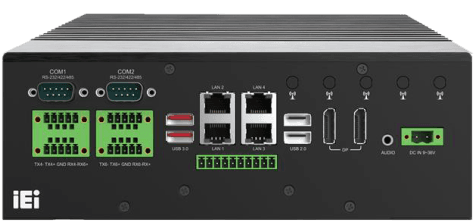
Marine Box PC
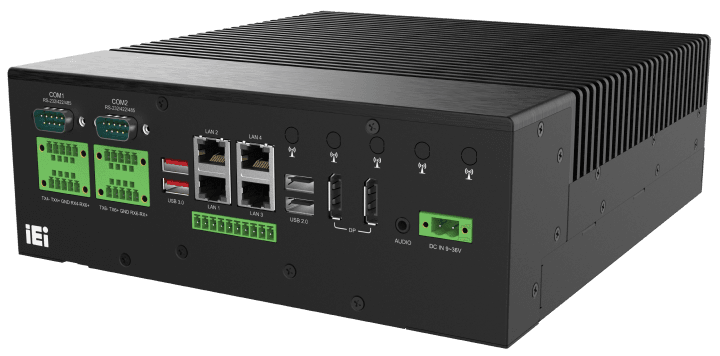
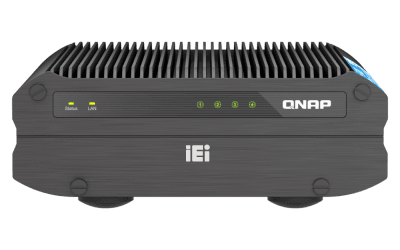

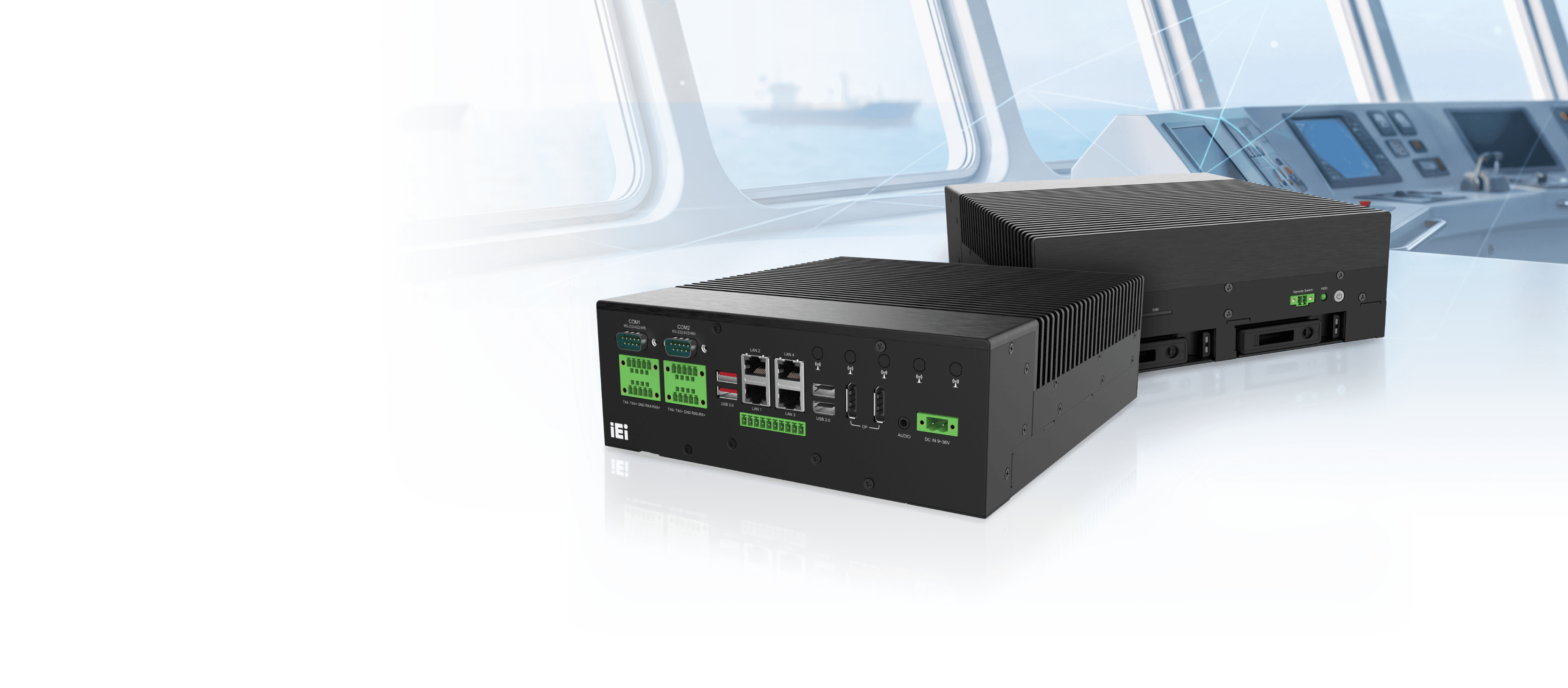
Designed for bridge, control-room, edge-gateway, and vessel-monitoring workloads, the MCS-DB001 combines marine connectivity, rugged operation, serviceable storage, and modern Intel® Core™ performance in a compact fanless platform.
01
DNV Certification in Progress, with IEC 60945 and IACS E10 Compliance for Proven Reliability.
02
Isolated protection ensures reliable DIO & NMEA 0183 connectivity.
03
Resistant to salt mist, moisture and dust.
04
Hot-swap 2.5” SSD bays for data backup and replacement.
05
Ready for future maritime cybersecurity standards.
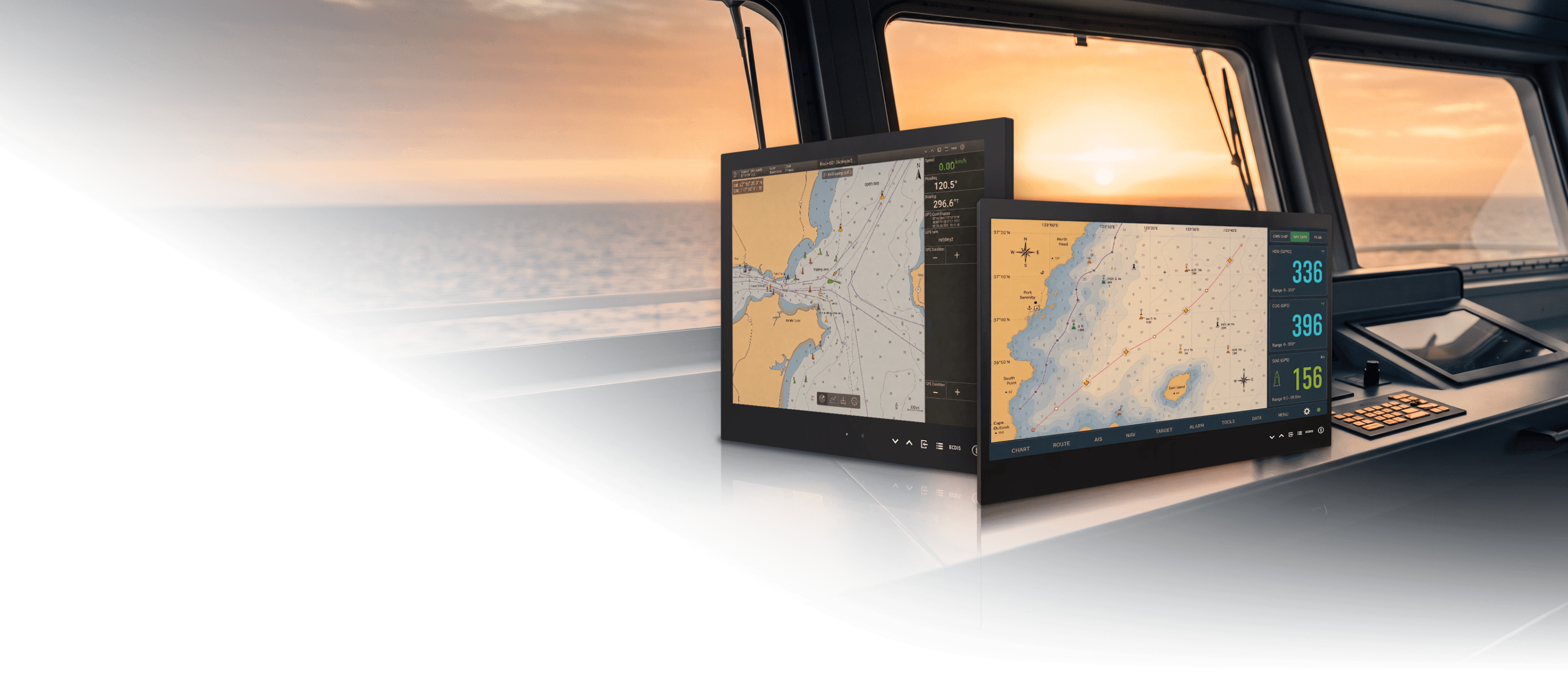
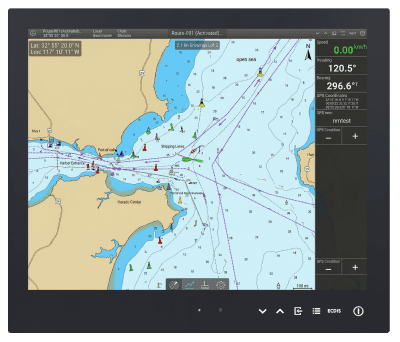
Designed for ship bridges, control rooms, engine rooms, and ECDIS workstations, the MCS-DM Series delivers marine-certified reliability, multi-touch operation, clear visibility, and IP66 front protection across 19- to 27-inch models.
01
IEC 60945 and IACS UR E10 certified, with IEC 61174 support.
02
10-point touch for charts, monitoring, and HMI.
03
AR coating with optional high brightness and night mode.
04
Protection against spray, humidity, and wash-downs.
05
RS control of brightness, buzzer, and power status.
What iVEC Does
Converts dedicated systems into separate virtual workloads that can share a common edge computing platform.
Workload Consolidation
Run more applications on fewer systems.
System Isolation
Keep critical workloads independently managed.
Multi-OS Support
Operate different OS environments side by side.
Legacy Application Support
Move existing software onto modern hardware.
What iRM Does
Provides one management layer for monitoring, controlling, protecting, and recovering physical and virtual systems.
System Monitoring
Track host, VM, resource, and health status.
Alerts & Events
Surface abnormal conditions and system events.
Remote Operations
Access and maintain systems from one console.
Redundancy & Recovery
Coordinate standby resources and restore services.
The architecture is easier to understand as a three-step operational flow.

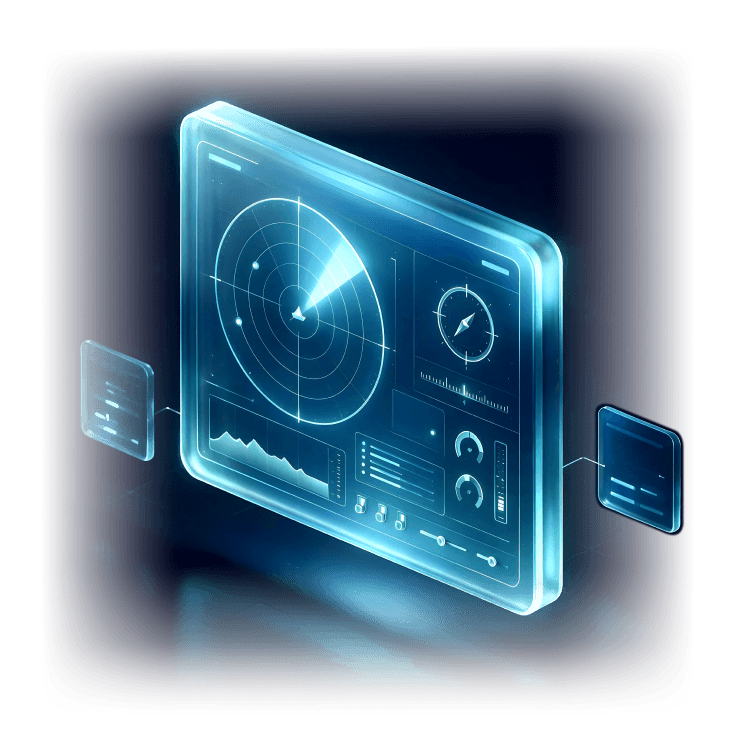
Consolidate
iVEC virtualizes navigation, automation, monitoring, safety, and legacy applications.
Manage
iRM centralizes visibility across the main host, virtual machines, resources, and events.
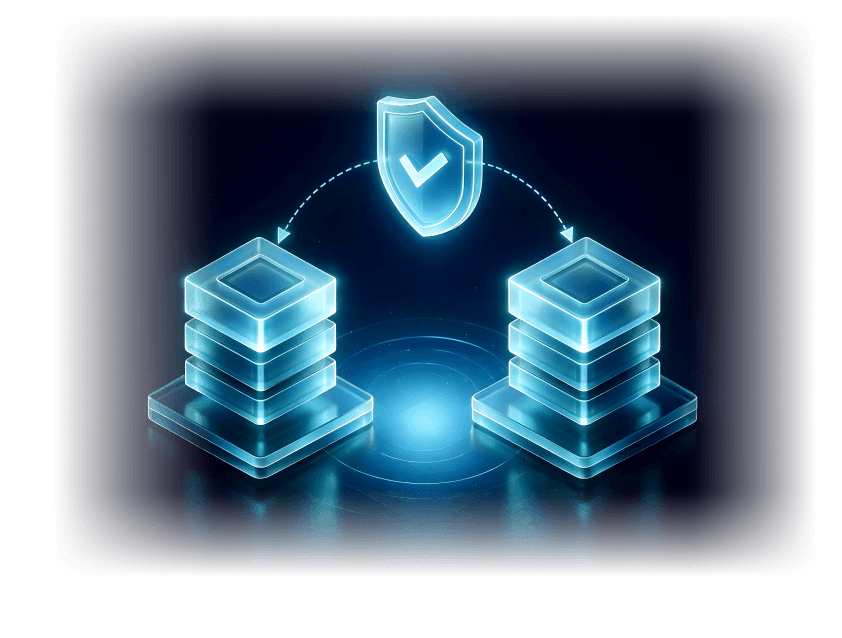
Recover
iRM coordinates standby resources and recovery when a physical host or virtual workload fails.
Ships have limited space, restricted maintenance access, long service lifecycles, and high demands for operational continuity.
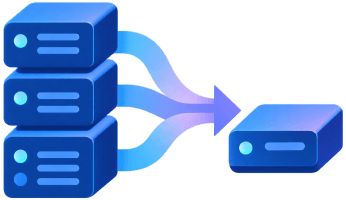
Reduce Hardware Footprint
Consolidate multiple applications to reduce cabinet space, cabling, and spare hardware.
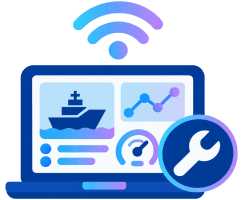
Simplify Remote Maintenance
Monitor and operate distributed systems from a centralized management interface.
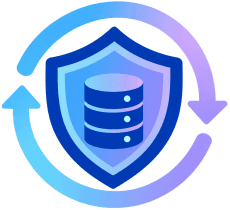
Improve Recovery Readiness
Use standby infrastructure to reduce the impact of host or workload failure.
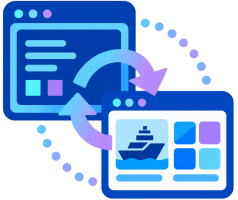
Preserve Legacy Applications
Continue running validated software while transitioning to newer computing hardware.
Redundancy Mode 01
Physical-to-Virtual
Ships have limited space, restricted maintenance access, long service lifecycles, and high demands for operational continuity.

iRM
Remote Management Platform
Host
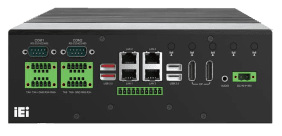
MCS-DB001
Standby
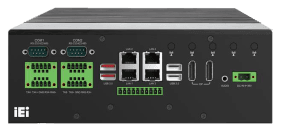
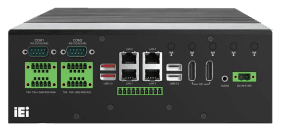
MCS-DB001
Redundancy Mode 02
Virtual-to-Virtual
A primary virtual workload running on an IPC is replicated to a standby VM on another IPC computing node.
iRM
Remote Management Platform
Host
MCS-DB001
Standby
MCS-DB001
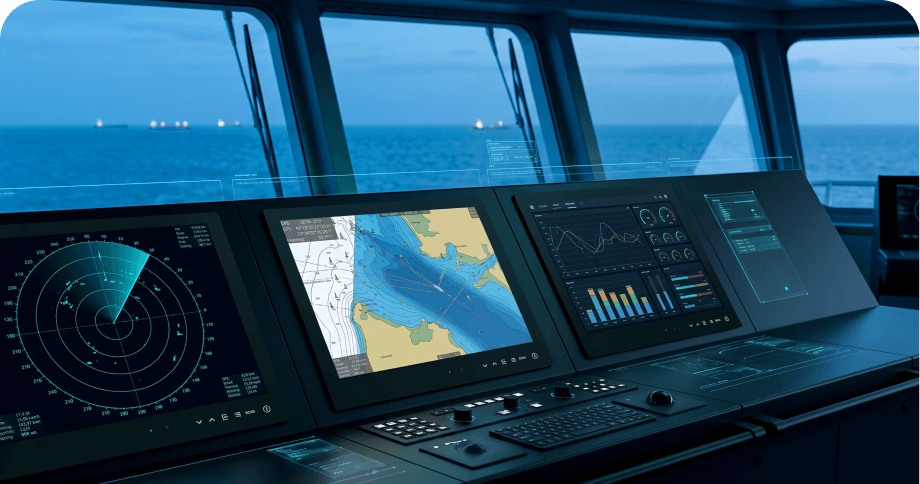
ECDIS & Radar Visualization
BRIDGE SYSTEMS
Pair certified computer and rugged displays to support navigation visualization and bridge workflows.
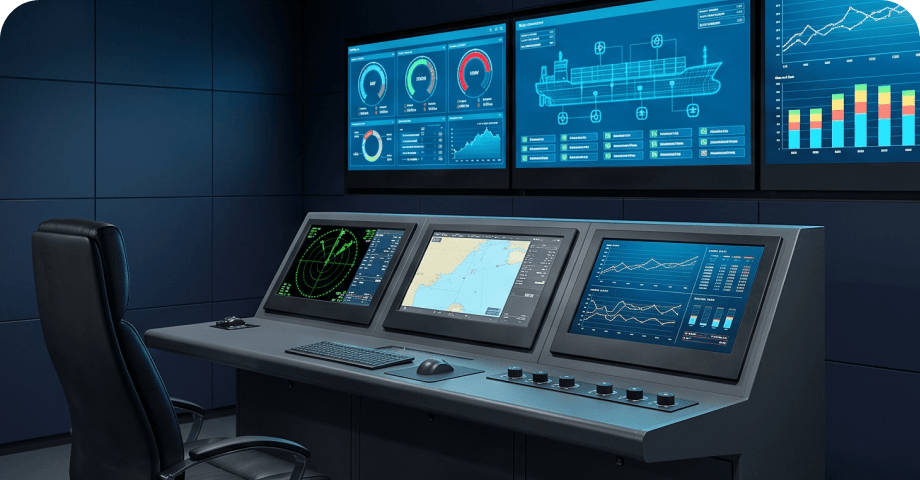
Vessel Monitoring Systems
CONTROL ROOM
Collect and visualize engine, safety, automation, and operational information in one managed environment.
Resilience
Navigation Backup
Prepare standby workloads and recovery procedures to reduce disruption when primary systems fail.
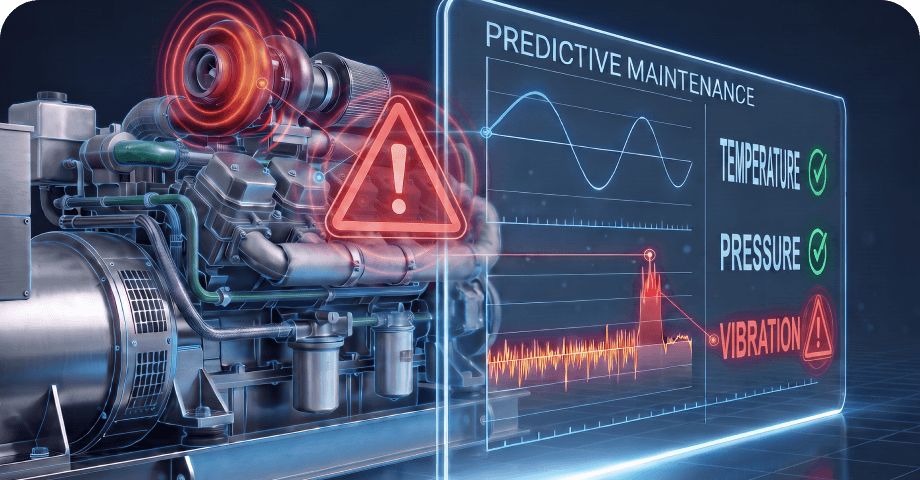
Edge Intelligence
Predictive Maintenance
Analyze equipment data locally and transmit only abnormal events or compact summaries to shore.
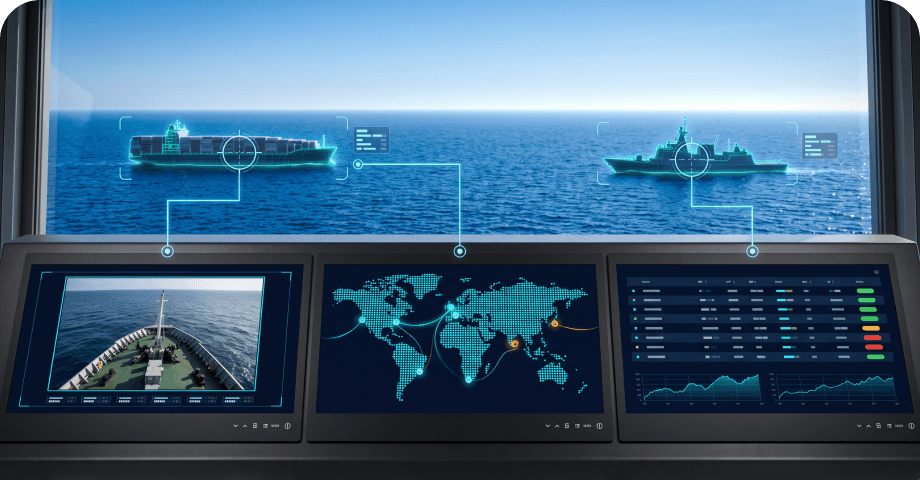
Fleet Management
Remote Monitoring
Give shore teams centralized visibility into health, alerts, logs, and operational status across vessels.
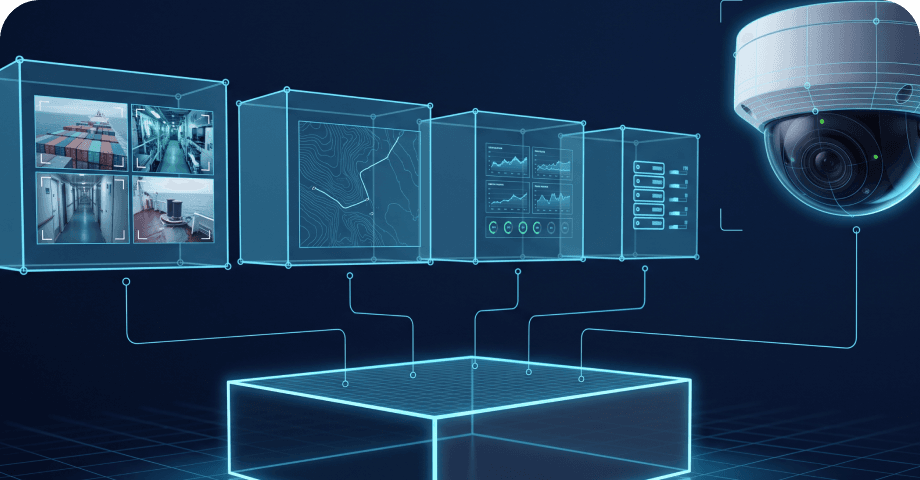
CCTV & System Segmentation
Security
Support monitored security workloads and logically separated applications within a managed virtual environment.
IEI Marine series is certified to key marine standards covering shipboard environmental performance, maritime data communication, and equipment reliability for demanding onboard deployments
IEC 60945
Marine navigation and radio equipment environment
DNV Certification
Certification in progress for marine and offshore applications
IACS E10
Environmental testing for marine automation and control equipment
Stable Platform Planning
Long Lifecycle
Support long deployment cycles and reduce the burden of repeated redesign and revalidation.
Customization
Hardware and BIOS Flexibility
Adapt I/O, BIOS, storage, mechanical, and branding requirements for OEM and system-integration projects.
Software Defined
Hardware + Virtualization
Combine rugged computer with virtualized workload consolidation and centralized infrastructure management.

Service Across Regions
Global Support
Support international projects with coordinated product, technical, and lifecycle assistance.
Many vessels still rely on legacy navigation, monitoring, and control applications that cannot be easily rewritten or migrated. Replacing the entire system at once may create certification risks, extended downtime, and high engineering costs. For most operators, modernization needs to happen gradually while existing equipment remains operational.
How IEI helps:
IEI combines marine edge computing with virtualization to support phased migration. Existing applications can continue running in isolated virtual environments, while newer monitoring, analytics, or management services are introduced alongside them. This allows operators to modernize selected workloads without forcing a full system replacement or disrupting established onboard procedures.
Marine equipment often communicates through NMEA 0183, RS-422/485, DIO, and other serial interfaces, while modern software platforms, virtual machines, and remote management systems rely primarily on Ethernet and TCP/IP. Without a clear integration layer, operators may end up using multiple gateways, converters, and custom interfaces that are difficult to maintain.
How IEI helps:
The MCS-DB001 provides onboard NMEA 0183, serial, isolated DIO, and multi-port Ethernet connectivity in one marine computing platform. It can collect data from existing shipboard equipment and make it available to virtualized applications, monitoring software, and operator interfaces through a unified edge architecture. This reduces the number of separate conversion devices and simplifies system integration.
A hardware fault in a navigation, monitoring, or automation system can interrupt operations and require manual intervention. On vessels with limited spare equipment and no onboard IT specialist, recovery may take longer than expected, especially when software configurations must be rebuilt from scratch.
How IEI helps:
IEI’s virtualization and management architecture allows critical workloads to be prepared on standby resources rather than remaining tied to a single physical machine. iVEC supports isolated virtual workloads, while iRM provides centralized visibility, fault detection, and recovery coordination. This helps operators shorten recovery time, improve service continuity, and avoid rebuilding the entire application environment after a hardware failure. The provided software-defined ship architecture also positions high availability and workload migration as key advantages of virtualization.
Many vessels operate for long periods without dedicated IT personnel. When a system warning appears, the crew may be able to describe the problem but may not have the tools or expertise to diagnose hardware health, virtual machine status, storage conditions, or network issues. Sending an engineer onboard is costly and may not be possible until the next port call.
How IEI helps:
iRM gives shore-based support teams a centralized view of physical systems, virtual workloads, alarms, and operational status. Instead of relying only on crew reports, service teams can review system conditions remotely, identify the affected layer, and guide recovery actions more efficiently. Remote power control and system-level management also help reduce the number of issues that require an onboard visit.
Crew Wi-Fi, administrative IT, CCTV, navigation, and automation systems may coexist on the same vessel, but they should not have unrestricted access to one another. Building entirely separate physical infrastructure for every workload increases hardware, cabling, space, and maintenance requirements.
How IEI helps:
IEI’s virtualized architecture allows workloads to be separated into isolated virtual environments while sharing a common computing platform. Virtual networking and workload segmentation can be used to limit communication between operational and non-operational systems. The MCS-DB001 also includes multiple independent Ethernet ports and TPM 2.0, providing a hardware foundation for segmented network design and platform-level security.
Storage replacement, log retrieval, software updates, and hardware inspection can become disruptive when several applications depend on the same onboard computer. If the system must be completely shut down for routine maintenance, operators may postpone service until the vessel reaches port, increasing the risk of unexpected failure.
How IEI helps:
IEI separates maintenance needs across the hardware and software layers. The MCS-DB001 includes hot-swappable 2.5-inch SSD bays, allowing storage devices used for backup or replacement to be serviced more efficiently. At the software layer, virtualized workloads can be backed up, replicated, or moved between available resources, reducing the number of situations in which routine maintenance requires a complete application shutdown.
Discuss your shipboard architecture, workload consolidation, marine certification, and redundancy requirements with IEI